
Wisdom teeth removal is a common dental procedure that helps address pain, infections, overcrowding, and other complications involving the third molars. These teeth typically emerge between the ages of 17 and 25, but limited jaw space can prevent them from growing properly.
Recognizing the signs you need wisdom teeth removed can help you seek timely treatment and protect your long-term oral health. This guide explains the warning signs, extraction process, recovery expectations, and situations that warrant a professional dental evaluation.
What Is Wisdom Tooth Removal and Why Is It Necessary?
Wisdom tooth removal is a dental procedure that extracts one or more third molars when they cause problems or present a significant risk to oral health. Dentists may recommend treatment for impacted teeth, recurring infections, damage to adjacent teeth, or other complications that routine dental care cannot manage effectively.
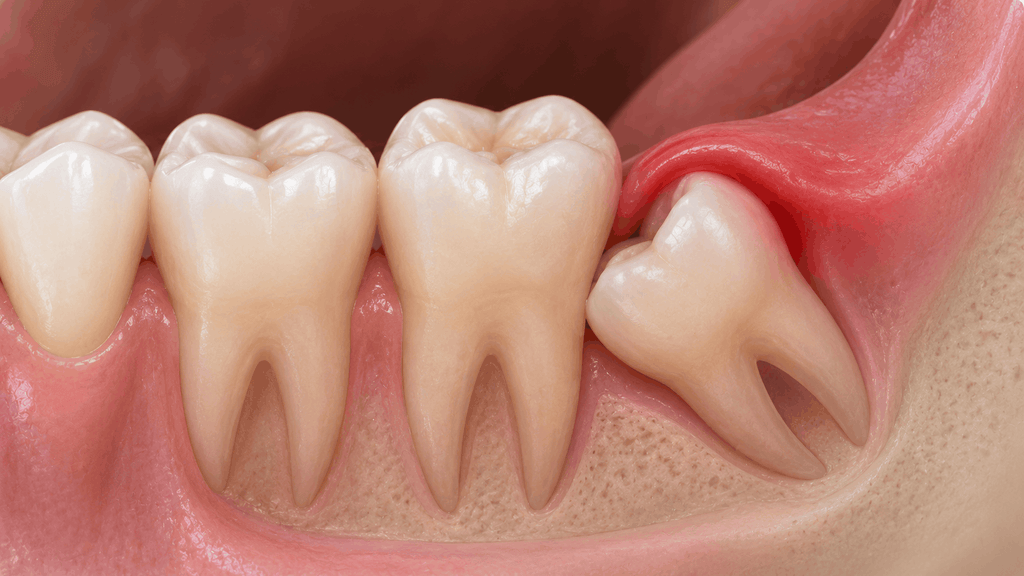
What Causes Wisdom Teeth to Become Impacted?
Wisdom teeth become impacted when they cannot erupt fully through the gums because of limited space, an unfavorable angle, or an obstruction in their path. They may remain trapped beneath the gum tissue or jawbone, creating conditions that contribute to pain, inflammation, and infection.
Common causes include:
- Limited jaw space: The available room is insufficient for the third molars to emerge normally.
- Incorrect tooth positioning: A wisdom tooth grows sideways, tilts toward an adjacent tooth, or points backward.
- Obstruction: Existing teeth or dense surrounding tissue prevent normal eruption.
- Delayed eruption: A tooth remains partially or completely beneath the gums instead of reaching its proper position.
Do All Wisdom Teeth Need to Be Removed?
No, not all wisdom teeth require extraction, particularly when they grow properly, remain healthy, and can be cleaned effectively. A dentist may recommend monitoring fully erupted or asymptomatic teeth when examinations and dental X-rays show no evidence of disease or damage.
Wisdom teeth may be suitable for continued monitoring when they:
- Have enough room to emerge in a functional position.
- Do not cause pain, swelling, or repeated infections.
- Can be brushed and flossed thoroughly.
- Have no associated cavities, gum disease, or damage to neighboring teeth.
- Show no concerning changes on dental X-rays.
Regular dental examinations remain important because problems can develop even when wisdom teeth initially appear healthy.
What Happens If Problematic Wisdom Teeth Are Left Untreated?
Untreated problematic wisdom teeth can contribute to recurring infections, tooth decay, gum disease, damage to neighboring teeth, and cyst formation. The consequences depend on the tooth’s position, the condition of the surrounding tissues, and the nature of the underlying problem.
Potential complications include:
- Pericoronitis: Inflammation and infection of the gum tissue surrounding a partially erupted tooth.
- Adjacent tooth damage: Pressure, decay, or periodontal problems affecting the second molars.
- Cysts: Fluid-filled sacs that can develop around an impacted tooth and potentially damage surrounding structures.
- Persistent discomfort: Recurrent pain or swelling that interferes with eating and daily activities.
Early assessment helps dentists identify these concerns before they become more difficult to manage.
7 Common Signs You May Need Wisdom Tooth Removal
The most common signs you need wisdom teeth removed include persistent pain, swollen gums, difficulty chewing, recurring infections, and damage to nearby teeth. These symptoms don’t automatically mean extraction is necessary, but they may indicate that a dental exam is appropriate.
1. Persistent Wisdom Tooth Pain or Jaw Discomfort
Persistent wisdom tooth pain or discomfort near the back of the jaw can indicate inflammation, impaction, infection, or pressure on neighboring teeth. Pain may start intermittently, then become more frequent or intense as the underlying problem develops.
Pay attention to symptoms such as:
- Aching behind the last molars.
- Pain that spreads toward the ear or temple.
- Tenderness when biting or chewing.
- Repeated discomfort in the same area.
- Jaw soreness accompanied by swelling.
Pain can have several dental causes, so a professional exam is necessary to identify the source and determine the right treatment.
2. Swollen, Red, or Tender Gums
Swollen, red, or tender gums around a wisdom tooth may indicate inflammation or infection, particularly when the tooth has emerged only partially. Food particles and bacteria can become trapped beneath the gum flap, irritating the tissue and making the area difficult to clean.
Other warning signs include bleeding during brushing, an unpleasant taste, persistent bad breath, and localized tenderness. Contact a dentist if symptoms continue or worsen, rather than relying solely on home care.
3. Difficulty Opening Your Mouth or Chewing
Difficulty opening your mouth or chewing can develop when inflammation around a wisdom tooth affects the surrounding tissues and jaw movement. You may notice stiffness, discomfort when biting down, or reduced ability to open your mouth comfortably.
These symptoms deserve prompt attention when they accompany swelling or fever. Severe difficulty opening the mouth, especially with facial or neck swelling or trouble swallowing, may indicate a spreading infection that requires urgent medical assessment.
4. Frequent Infections Around Wisdom Teeth
Repeated infections around wisdom teeth can indicate that the tooth’s position makes the surrounding area difficult to clean. Partially erupted teeth are particularly susceptible to pericoronitis, which can cause swollen gums, pain, pus, and an unpleasant taste.
A dentist may recommend extraction when infections repeatedly return or cannot be managed effectively with local treatment. Antibiotics may be appropriate for certain infections, but they do not correct the underlying positioning problem.
5. Damage to Nearby Teeth
Wisdom teeth can damage adjacent molars when they press against them, create hard-to-clean spaces, or contribute to decay and gum problems. A second molar may develop a cavity, periodontal damage, or root-related changes even when the wisdom tooth itself causes little discomfort.
Dental X-rays help identify these problems before they become obvious during a routine examination. Protecting the neighboring molar is an important consideration when evaluating the need for extraction.
6. Cavities or Gum Disease Around Wisdom Teeth
Cavities and gum disease around wisdom teeth may develop because their position makes thorough brushing and flossing difficult. Bacteria and food debris can accumulate around the back molars, increasing the risk of decay, inflammation, and periodontal pocket formation.
Treatment depends on the severity of the condition and whether the tooth can be cleaned and restored effectively. Extraction may be recommended when damage is extensive, infections recur, or maintaining the tooth would create ongoing oral health problems.
7. Cysts or Other Complications Detected on Dental X-Rays
Dental X-rays can reveal cysts, changes in surrounding bone, root resorption, and other complications associated with impacted wisdom teeth. These findings may be present before noticeable pain or swelling develops.
Your dentist will evaluate the location and extent of the abnormality before recommending treatment. Some findings require extraction or referral to an oral surgeon, while others may warrant additional imaging or closer monitoring.
Impacted Wisdom Teeth: When Is Extraction Recommended?
Extraction of impacted wisdom teeth is commonly recommended when the teeth cause pain, recurring infections, damage to nearby teeth, cysts, or other clinically significant problems. However, impaction alone does not always require immediate removal, so the decision should be based on examination findings and individual risk.
Soft Tissue Impaction vs. Partial and Complete Bony Impaction
Dentists classify wisdom teeth by how much of the tooth remains covered by gum tissue or jawbone, and this classification helps them assess extraction complexity. Soft tissue impaction involves gum tissue covering part of the tooth, while bony impaction means the tooth remains partly or completely enclosed by bone.
The main types include:
- Soft tissue impaction: The crown has passed through the bone but remains partly covered by gum tissue.
- Partial bony impaction: Part of the tooth remains embedded in the jawbone, while another portion has emerged.
- Complete bony impaction: The tooth remains entirely enclosed within the jawbone.
The position, depth, root development, and proximity to nerves or sinuses influence the surgical approach and recovery expectations.
Can Impacted Wisdom Teeth Cause Problems Without Pain?
Yes, impacted wisdom teeth can cause problems without producing noticeable pain or other symptoms. Dental X-rays may reveal damage to neighboring teeth, cyst formation, or other changes that would otherwise go undetected.
Regular dental checkups help identify these issues early. A dentist can determine whether to remove the tooth or monitor it based on its position and the condition of surrounding structures.
When Can Impacted Wisdom Teeth Be Monitored Instead of Removed?
Impacted wisdom teeth may be monitored when they are healthy, show no associated disease or damage, and can be followed safely through regular examinations. Monitoring is particularly reasonable when imaging reveals no concerning changes and the expected risks of surgery outweigh the current benefits.
A monitoring plan may include:
- Routine clinical examinations.
- Periodic dental X-rays when indicated.
- Assessment of the neighboring second molars.
- Evaluation of any new pain, swelling, or gum changes.
Monitoring should be an active dental care plan, not a decision to ignore impacted teeth indefinitely.
When Should You See a Dentist for Wisdom Tooth Pain?
Schedule a dental appointment for persistent wisdom tooth pain, recurring gum swelling, chewing difficulties, or symptoms suggesting an infection. Early evaluation helps determine whether the discomfort requires extraction, infection management, or another form of dental treatment.
Seek prompt dental care if you experience:
- Pain that persists or repeatedly returns.
- Swollen or bleeding gums near the back molars.
- Pus, an unpleasant taste, or persistent bad breath.
- Increasing jaw discomfort or difficulty chewing.
- Swelling that extends into the cheek.
Seek emergency medical care if you develop difficulty breathing or swallowing, rapidly spreading facial or neck swelling, or other signs of a potentially serious spreading infection.
Do not wait for severe pain before seeking an examination. A dentist can identify developing problems through a clinical assessment and appropriate imaging.
What to Expect During a Wisdom Tooth Removal Procedure
Wisdom tooth removal involves evaluating the tooth, selecting an appropriate anesthesia method, removing the tooth, and providing instructions for healing. The exact process depends on whether the tooth has erupted fully, remains impacted, or requires surgical removal.

How Dentists Prepare for Wisdom Tooth Extraction
Dentists prepare for wisdom tooth extraction by reviewing your medical history, examining your mouth, and assessing dental X-rays to determine the tooth’s position and surrounding anatomy. They will also discuss anesthesia options, medications, relevant health conditions, and instructions for the day of the procedure.
Preparation may include:
- Reviewing current medications and allergies.
- Examining the wisdom teeth and adjacent molars.
- Reviewing imaging to assess roots and nearby anatomical structures.
- Selecting local anesthesia, sedation, or general anesthesia when appropriate.
- Providing eating, drinking, transportation, and medication instructions based on the planned anesthesia.
For patients who need treatment, Dr. Saif Shere can help evaluate wisdom tooth concerns and explain appropriate next steps based on the clinical findings.
Does Wisdom Tooth Removal Hurt?
Wisdom tooth removal should not cause sharp pain during the procedure when the anesthesia is working properly, although you may feel pressure or movement. Some soreness, swelling, and jaw stiffness are expected after the anesthetic wears off, and these symptoms can usually be managed with the recommended pain relief and aftercare.
Tell your dentist if you feel pain during treatment so the anesthesia can be reassessed. Your care team can also explain which medications are appropriate for your medical history and procedure.
How Long Does Wisdom Tooth Removal Take?
Wisdom tooth removal commonly takes around 30 to 60 minutes, although straightforward extractions may take less time and complex surgical cases may take longer. The total appointment may last longer because of preparation, anesthesia, recovery monitoring, and postoperative instructions.
Factors affecting procedure time include:
- The number of teeth being removed.
- Whether the teeth have fully erupted.
- The depth and angle of impaction.
- Root shape and proximity to important structures.
- The type of anesthesia used.
Your dentist or oral surgeon can provide a more individualized estimate after reviewing your examination and imaging.
Wisdom Teeth Removal Recovery: What You Need to Know
Wisdom teeth removal recovery typically involves several days of swelling, soreness, and limited jaw movement, with most initial discomfort improving within the first week. More complex surgical extractions may require one to two weeks for substantial soft tissue recovery, while complete healing of the underlying bone takes longer.
What to Expect During the First 24–48 Hours
During the first 24 to 48 hours, mild bleeding, swelling, tenderness, and jaw stiffness are common as the extraction sites begin to heal. Following your dentist’s instructions helps protect the blood clot that forms in each socket and supports normal recovery.
To support healing:
- Bite gently on gauze as directed to control bleeding.
- Apply cold packs to the outside of the cheek in short intervals.
- Rest and keep your head elevated when lying down.
- Take prescribed or recommended medications as instructed.
- Avoid forceful spitting, vigorous rinsing, and disturbing the extraction sites.
Contact your dental provider if bleeding remains heavy or does not respond to the recommended measures.
Foods to Eat and Avoid After Wisdom Tooth Removal
Soft, cool, or lukewarm foods are generally the easiest to eat after wisdom tooth removal because they require minimal chewing and are less likely to irritate the extraction sites. Choose foods that provide adequate nutrition without leaving hard particles that can become lodged in the sockets.
Foods to consider:
- Yogurt and applesauce.
- Mashed potatoes.
- Scrambled eggs.
- Smooth soups served lukewarm.
- Oatmeal that has cooled sufficiently.
- Soft pasta and well-cooked vegetables.
Foods and drinks to avoid initially:
- Hard, crunchy, or sharp foods such as chips and nuts.
- Sticky foods that require substantial chewing.
- Very hot foods and beverages while numbness or bleeding persists.
- Straws, which can create suction and disturb the blood clot.
- Alcohol, particularly when taking medications that interact with it.
Gradually return to your usual diet as comfort improves, and your dentist’s instructions allow.
How to Reduce Swelling and Discomfort
Cold packs, rest, appropriate pain medication, and gentle oral hygiene can help reduce discomfort after wisdom tooth removal. Swelling often increases during the first two to three days before gradually improving.
Follow these measures:
- Apply an ice pack externally in short intervals during the first 24 hours.
- Take medication according to your dentist’s directions.
- Keep your mouth clean without disturbing the extraction sites.
- Begin gentle warm saltwater rinses after the first 24 hours if your dentist recommends them.
- Resume normal brushing carefully, avoiding direct trauma to the sockets.
Contact your dentist if pain or swelling worsens instead of improving.
Activities to Avoid During Recovery
Avoid strenuous exercise, smoking, vaping, and activities that create suction during the early recovery period because they can disrupt the blood clot or delay healing. Most patients should rest for at least the first day and return to normal activities gradually as symptoms improve.
Additional precautions include:
- Avoid smoking and vaping, which increase the risk of healing complications.
- Do not use straws during the initial healing period.
- Avoid heavy lifting and vigorous exercise for the period recommended by your dentist.
- Do not probe the extraction sites with your fingers or tongue.
- Follow specific restrictions related to sedation or general anesthesia.
Your recovery timeline may differ depending on the complexity of the procedure and your overall health.
Warning Signs of Dry Socket or Infection
Dry socket or infection should be suspected when pain becomes severe, worsens after initially improving, or occurs alongside concerning symptoms such as fever, pus, or increasing swelling. Dry socket develops when the protective blood clot is lost or breaks down prematurely, exposing sensitive tissue within the socket.
Contact your dentist if you experience:
- Severe or increasing pain several days after extraction.
- Pain radiating toward the ear or temple.
- Persistent bad breath or an unpleasant taste.
- Pus, fever, or worsening redness and swelling.
- Bleeding that does not respond to the recommended measures.
Prompt assessment can help your dentist distinguish normal healing from a complication and provide appropriate treatment.
What Are the Risks of Delaying Wisdom Tooth Removal?
Delaying recommended wisdom tooth removal can allow existing dental problems to worsen, potentially increasing treatment complexity and the risk of damage to nearby structures. Repeated infections, advanced decay, periodontal damage, and certain cysts may become more difficult to manage when treatment is postponed.
Potential consequences include:
- Progressive damage: Decay or periodontal problems may affect the second molars.
- Recurring infections: Inflammation around partially erupted teeth may return.
- More complex treatment: Changes in tooth position, root development, or surrounding tissues may affect surgical planning.
- Additional costs: Treating advanced complications may require more extensive dental procedures.
However, immediate extraction is not necessary for every wisdom tooth. Your dentist should weigh the documented risks of continued monitoring against the potential benefits and complications of surgery.
How to Know If Wisdom Tooth Removal Is Right for You
Wisdom tooth removal is appropriate when examination findings indicate that a tooth is causing disease, damaging nearby structures, or creating a significant risk of future complications. The decision should account for symptoms, imaging results, tooth position, overall oral health, and individual surgical risks.
Factors That Determine Whether Wisdom Teeth Should Be Removed
Dentists consider several clinical factors before recommending wisdom tooth extraction, including current symptoms, evidence of disease, the tooth’s position, and the condition of neighboring teeth. The goal is to address existing problems while avoiding unnecessary surgery when safe monitoring is a reasonable alternative.
Important considerations include:
- Symptoms: Persistent pain, swelling, infections, or difficulty chewing.
- Tooth position: Whether the tooth is impacted, partially erupted, or fully erupted.
- Dental health: Evidence of cavities, gum disease, cysts, or damage to adjacent molars.
- Cleanability: Whether the tooth can be maintained with effective brushing and flossing.
- Surgical considerations: Root development, proximity to nerves, medical history, and anesthesia risks.
Your dentist can explain the findings and help you compare the benefits and risks of each treatment option.
When Is the Best Age for Wisdom Tooth Removal?
Wisdom teeth commonly emerge between ages 17 and 25, and evaluation in late adolescence or early adulthood can help dentists identify potential problems. When extraction is indicated, treatment during this period may be less complex in some patients because the roots may not be fully developed and the surrounding bone may be less dense.
Age alone does not determine the need for surgery. Older adults can also benefit from extraction when clinical findings justify treatment, although individual health factors and surgical risks require careful consideration.
Can You Keep Your Wisdom Teeth If They Are Healthy?
Yes, healthy wisdom teeth can often remain in place when they are properly positioned, functional, easy to clean, and free from disease. Regular examinations are important because a tooth that causes no symptoms today may develop problems later.
Your dentist may recommend periodic monitoring based on your individual risk. Report any new discomfort, swelling, bleeding, or changes around the back molars rather than waiting for your next scheduled appointment.
Protect Your Oral Health With a Professional Wisdom Tooth Evaluation
A professional wisdom tooth evaluation helps determine whether extraction is necessary, monitoring is appropriate, or another treatment can address your symptoms. A clinical examination and dental X-rays can identify impaction, infection, decay, and damage that may not be visible or painful.
If you notice recurring wisdom tooth pain, swollen gums, or difficulty chewing, schedule an evaluation rather than waiting for symptoms to become severe. Dr. Saif Shere can assess your dental concerns, explain available treatment options, and help you understand the next steps to protect your oral health. Contact us today!
Early assessment can help you make an informed decision about wisdom tooth removal and reduce the risk of preventable complications.
Frequently Asked Questions
How Do I Know If I Need Wisdom Tooth Removal?
You may need wisdom tooth removal if you experience persistent pain, swollen gums, recurring infections, difficulty chewing, or damage to nearby teeth. A dentist can confirm the cause through an examination and dental X-rays, even if your symptoms are mild.
Can Wisdom Teeth Cause Pain Even If They Are Not Impacted?
Yes, wisdom teeth can cause pain even when they have erupted fully and are not impacted. Cavities, gum inflammation, infection, and damage to surrounding tissues can all cause discomfort around an erupted wisdom tooth.
Is Wisdom Tooth Removal Necessary If There Is No Pain?
No, wisdom tooth removal is not automatically necessary when there is no pain. However, impacted or symptom-free wisdom teeth can still cause damage, so a dentist should evaluate their position and surrounding structures before recommending monitoring or extraction.
How Long Does It Take to Recover From Wisdom Tooth Removal?
Most patients experience the greatest discomfort and swelling during the first two to three days, with noticeable improvement over the first week. Recovery from complex surgical extractions may take one to two weeks for substantial soft tissue healing, while complete bone healing takes longer.
What Happens If I Never Remove My Wisdom Teeth?
If your wisdom teeth remain healthy, properly positioned, and easy to clean, you may not need to remove them. However, problematic wisdom teeth can lead to infections, cavities, gum disease, damage to neighboring molars, or cyst formation, making regular dental monitoring important.


