
Impacted wisdom teeth occur when third molars do not have enough room to fully emerge or develop normally, often becoming trapped beneath the gums or jawbone. Wisdom tooth impaction can cause pain, swelling, infection, gum problems, and damage to nearby teeth, although some impacted teeth cause no symptoms.
This guide explains the common symptoms, types, potential complications, diagnosis, treatment options, recovery, and situations that require prompt dental care.
What Are Impacted Wisdom Teeth?
Impacted wisdom teeth are third molars that become trapped because there is not enough space for them to erupt normally. Wisdom teeth are usually the last permanent teeth to develop, commonly appearing between the late teens and mid-20s.
An impacted tooth may remain completely below the gum line or emerge only partially. The tooth’s position can make cleaning difficult and increase the risk of decay, gum disease, infection, and damage to neighboring teeth.
Why Do Wisdom Teeth Become Impacted?
Wisdom teeth most often become impacted because the jaw does not provide enough space for normal eruption. A tooth can also become trapped because it develops at an abnormal angle or encounters another tooth or surrounding bone that blocks its path.
What Are the Different Types of Impacted Wisdom Teeth?
The type of impaction describes the tooth’s direction and how much is covered by gum or bone. Dental X-rays help identify the tooth’s position and depth before treatment is planned.
Mesial Impaction
Mesial impaction occurs when the wisdom tooth angles forward toward the second molar. This common form of impaction can put pressure on the neighboring tooth, increasing the risk of decay or damage.
Distal Impaction
Distal impaction occurs when the wisdom tooth angles backward, away from the second molar. The tooth may remain trapped because its backward position does not provide enough room for normal eruption.
Vertical Impaction
Vertical impaction occurs when the wisdom tooth remains positioned upright but cannot fully emerge through the gum. Although the tooth may have a relatively normal orientation, insufficient space can prevent complete eruption.
Horizontal Impaction
Horizontal impaction occurs when the wisdom tooth develops almost sideways within the jaw. This position can put pressure on the second molar and may require surgical removal if it causes pain, infection, or damage.
Soft Tissue vs Bony Impaction
Soft tissue impaction means gum tissue mainly blocks the tooth, while bony impaction means jawbone partially or completely surrounds it. A partially impacted wisdom tooth may have part of its crown visible, creating a place where food and bacteria can get trapped.
Common Symptoms of Impacted Wisdom Teeth
The symptoms you experience from an impacted wisdom tooth depend on the tooth’s position, depth, and condition. Some people have no symptoms, while others develop pain, swelling, gum irritation, difficulty opening the mouth, or signs of infection.
Wisdom Tooth Pain or Jaw Discomfort
Wisdom tooth pain can occur when an impacted tooth puts pressure on surrounding tissue or becomes inflamed or infected. You may feel discomfort around the back molars, jaw, or nearby teeth, and it can come and go as inflammation changes.
Swollen or Tender Gums
Swollen or tender gums around a wisdom tooth can indicate irritation, inflammation, or infection. Redness, bleeding, and sensitivity around the back molars are among the common signs of impacted wisdom teeth.
Difficulty Opening the Mouth
Difficulty opening your mouth can develop when inflammation affects the tissues and muscles surrounding an impacted wisdom tooth. If it occurs alongside swelling, pain, or fever, discuss limited jaw movement with a dentist.
Bad Breath or Unpleasant Taste
Bad breath or an unpleasant taste can occur when bacteria and food particles collect around a partially erupted wisdom tooth. These symptoms can signal inflammation or infection around the tooth and should not be ignored if they persist.
Swelling Around the Jaw
Swelling around the jaw can occur when an impacted wisdom tooth causes inflammation or infection in surrounding tissues. Increasing facial or jaw swelling requires prompt dental evaluation, particularly if it affects swallowing or breathing.
Headaches or Referred Pain
An impacted wisdom tooth may cause discomfort that spreads to nearby areas of the jaw, face, or head. However, headaches can have many causes, so evaluate persistent head pain rather than automatically attributing it to a wisdom tooth.
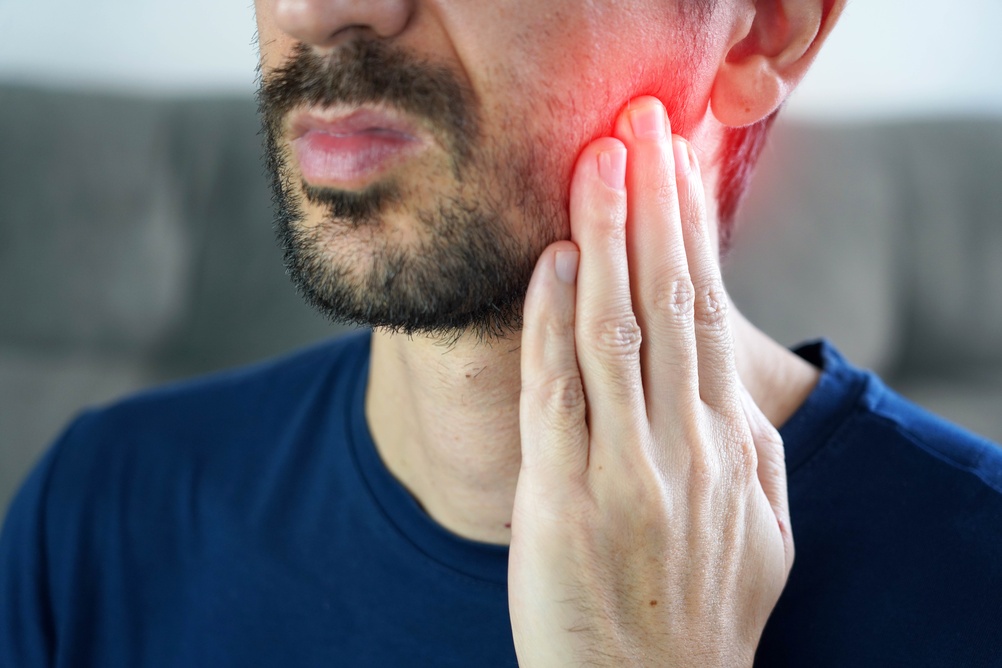
Signs Your Impacted Wisdom Teeth May Be Infected
An impacted wisdom tooth infection can cause increasing pain, swollen or tender gums, bad breath, an unpleasant taste, pus, facial swelling, fever, or difficulty opening the mouth. Infection can develop when bacteria become trapped around a partially erupted tooth, making prompt dental assessment important.
Seek urgent dental or medical attention if swelling makes it hard to breathe or swallow, or if symptoms worsen rapidly. These symptoms can indicate a more serious infection that needs immediate treatment.
Can Impacted Wisdom Teeth Cause Problems?
Yes, impacted wisdom teeth can contribute to several dental problems, especially when they are hard to clean or press against nearby structures. Potential complications include infection, decay, gum disease, damage to neighboring teeth, cysts, and localized pressure.
Gum Infection and Pericoronitis
Pericoronitis is inflammation and infection of gum tissue around a partially erupted wisdom tooth. Food and bacteria can become trapped beneath the gum flap, creating an environment where inflammation and infection can develop.
Tooth Decay
Impacted wisdom teeth can be more difficult to brush and floss, increasing the risk of decay. A partially erupted tooth can also trap food and bacteria around the gumline and adjacent molar.
Gum Disease
Gum disease can develop when plaque and bacteria remain around an impacted or partially erupted wisdom tooth. Difficulty reaching the area during routine oral hygiene can make inflammation harder to control.
Damage to Nearby Teeth
An impacted wisdom tooth can press against the second molar and contribute to decay, infection, or damage around the neighboring tooth. The risk depends on the tooth’s position and relationship to surrounding structures.
Cysts Around Impacted Wisdom Teeth
A cyst can occasionally form around an impacted wisdom tooth and affect surrounding bone or tooth structures. Larger cysts may require surgical treatment to protect nearby teeth and bone.
Crowding and Pressure
An impacted wisdom tooth can create localized pressure against nearby teeth, although the relationship between wisdom teeth and overall dental crowding is complex. Your dentist can use an examination and X-rays to determine whether the tooth is contributing to a specific problem.
How Are Impacted Wisdom Teeth Diagnosed?
Dentists diagnose impacted wisdom teeth using an oral examination, symptom history, and dental imaging. X-rays can reveal the tooth’s position, angle, depth, roots, and relationship to nearby teeth and bone.
Dental Examination
A dental examination allows the dentist to inspect the gums and surrounding teeth and assess symptoms such as tenderness, swelling, bleeding, or limited jaw movement. The dentist may also ask when symptoms began and what activities or foods make the discomfort worse.
Dental X-Rays
Dental X-rays show impacted teeth that may not be visible during an examination. Imaging can also help identify potential damage involving nearby teeth or surrounding bone and guide treatment planning.
Do All Impacted Wisdom Teeth Need to Be Removed?
No, not every impacted wisdom tooth automatically requires removal. Healthy, symptom-free teeth may sometimes be monitored through regular dental examinations and imaging, while teeth causing pain, infection, decay, cysts, gum disease, or damage to neighboring teeth may require extraction.
The decision should consider the tooth’s position, current condition, ability to maintain it, potential complications, and individual surgical risks. Dental professionals differ in their approach to asymptomatic impacted wisdom teeth, so an individualized assessment is important.
Impacted Wisdom Teeth Treatment Options
Impacted wisdom teeth treatment depends on symptoms, infection, tooth position, and the risk of future complications. Treatment may involve monitoring, symptom management, infection treatment, or surgical removal.
Monitoring Asymptomatic Impacted Wisdom Teeth
Asymptomatic impacted wisdom teeth may sometimes be monitored instead of immediately removed. Regular dental examinations and appropriate X-rays allow the dentist to watch for changes such as decay, gum disease, cysts, or damage to nearby teeth.
Managing Pain and Inflammation
Pain and inflammation may be managed temporarily with appropriate pain medication, cold compresses, and professional dental care. These measures can reduce symptoms but do not correct the underlying impaction when the tooth continues to cause dental problems.
Treating Wisdom Tooth Infection
A wisdom teeth infection requires professional evaluation to determine the source and severity of the infection. Treatment may include cleaning the area, managing inflammation, addressing the tooth itself, and using antibiotics when clinically indicated, particularly when infection has spread or systemic symptoms are present.
Wisdom Tooth Extraction
Wisdom tooth extraction is commonly recommended when an impacted tooth causes pain, infection, gum disease, decay, cysts, or damage to neighboring teeth. The procedure may be performed by a dentist or oral surgeon, depending on the tooth’s position and surgical complexity.
For patients considering treatment, Dr. Saif Shere can evaluate the condition of the wisdom teeth and discuss appropriate next steps based on the clinical findings.
What Happens During Impacted Wisdom Teeth Removal?
Impacted wisdom teeth removal is usually performed as an outpatient procedure, allowing most patients to return home the same day. The exact approach depends on how deeply the tooth is positioned and how difficult it is expected to be to remove.
Initial Consultation and Assessment
The initial consultation typically includes a review of symptoms, an examination, and dental imaging to determine the tooth’s position. The dentist or oral surgeon can then explain the planned procedure, anesthesia options, potential risks, and expected recovery.
Anaesthesia
Local anesthesia can numb the treatment area, while sedation or general anesthesia may be considered for certain procedures or patient needs. The appropriate option depends on the complexity of the extraction, medical considerations, and the patient’s treatment plan.
Removing the Impacted Wisdom Tooth
The dentist or oral surgeon may open the gum tissue and remove a small amount of bone to access the tooth. In some cases, the tooth is divided into sections before removal, after which the area is cleaned and may be closed with stitches.
How Long Does Recovery Take After Impacted Wisdom Teeth Removal?
Recovery varies based on the number and position of teeth removed and the complexity of surgery. Swelling often improves within two to three days, while soreness and other symptoms may take longer to settle.
The First 24 Hours
The first 24 hours focus on protecting the blood clot, controlling bleeding, and limiting irritation around the extraction site. Soft foods, adequate hydration, cold compresses, and careful adherence to postoperative instructions can support early healing.
The First Few Days
Swelling and discomfort commonly peak during the first few days and then gradually improve. Avoiding smoking, strenuous activity, straws, and hard or irritating foods can help protect the healing extraction site.
Returning to Normal Activities
Many people can resume usual activities the day after surgery, but strenuous exercise may need to be avoided for about a week. Your dentist or oral surgeon should provide personalized guidance based on the complexity of the procedure and your recovery.

What to Eat After Impacted Wisdom Teeth Removal
Soft, cool, or lukewarm foods are generally easier to eat immediately after surgery. Good options can include:
- Yogurt
- Applesauce
- Mashed potatoes
- Smooth soups that are not hot
- Scrambled eggs
- Soft pasta
- Smoothies consumed without a straw
Avoid hard, chewy, spicy, or very hot foods that could irritate the extraction site or become trapped in the healing socket.
How to Reduce Discomfort After Wisdom Tooth Extraction
Following your dentist’s postoperative instructions is the most important step for managing discomfort after extraction. Depending on your individual health needs, pain management may include recommended over-the-counter medication or prescribed medication, along with cold compresses and rest.
Protect the extraction site by avoiding smoking and using a straw, and do not disturb the blood clot. Contact your dental provider if pain becomes severe, swelling worsens after several days, or you develop fever, pus, excessive bleeding, or difficulty swallowing or breathing.
Possible Complications After Impacted Wisdom Teeth Removal
Most people recover without major complications, but surgical risks can include dry socket, infection, bleeding, and temporary or persistent nerve-related symptoms. Less common complications can involve nearby teeth, bone, sinuses, or nerves, depending on the location of the wisdom tooth.
Contact your dentist promptly if you experience severe pain that does not improve with recommended medication, worsening swelling after two or three days, fever, pus, excessive bleeding, persistent numbness, or difficulty swallowing or breathing.
When Should You See a Dentist About Impacted Wisdom Teeth?
You should schedule a dental examination if you experience persistent pain, swollen gums, jaw discomfort, bad breath, an unpleasant taste, or difficulty opening your mouth near the back molars. Prompt evaluation is especially important when symptoms suggest infection or are becoming progressively worse.
Do not wait for severe pain before seeking care, because impacted teeth can sometimes cause dental problems without producing obvious symptoms. Routine dental visits and imaging can help identify developing problems before they become more complicated.
Can Impacted Wisdom Teeth Be Prevented?
Impaction itself generally cannot be prevented because it is primarily related to tooth development, jaw space, and eruption patterns. Regular dental examinations and appropriate X-rays can help identify impacted wisdom teeth early and allow your dentist to monitor changes over time.
If you have concerns about impacted wisdom teeth, Dr. Saif Shere of Brownstone Dental can assess your symptoms and help determine whether monitoring, treatment, or removal is appropriate for your dental needs. Contact us today!
Frequently Asked Questions
What are the first signs of impacted wisdom teeth?
The first signs of impacted wisdom teeth can include pain or tenderness near the back molars, swollen gums, redness, bad breath, an unpleasant taste, or difficulty opening the mouth. Some impacted teeth cause no symptoms, so dental examinations and X-rays may identify them before discomfort develops.
What happens if impacted wisdom teeth are not removed?
Impacted wisdom teeth that cause no problems may sometimes be monitored, but problematic teeth can contribute to infection, decay, gum disease, cysts, or damage to neighboring teeth if left untreated. A dentist can assess the tooth’s position and condition to determine the appropriate management approach.
Do impacted wisdom teeth always hurt?
No, impacted wisdom teeth do not always cause pain, and some remain symptom-free for years. Even without discomfort, a dental examination can determine if an impacted tooth is contributing to decay, gum disease, cyst formation, or damage to nearby structures.
Can impacted wisdom teeth cause headaches or jaw pain?
Impacted wisdom teeth can cause jaw discomfort and pain around the affected area, while some people may experience pain that spreads into nearby parts of the face or head. Headaches have many possible causes, so recurring headaches should not automatically be attributed to a wisdom tooth without a dental or medical evaluation.
Can an impacted wisdom tooth become infected?
Yes, an impacted wisdom tooth can become infected, particularly when it is partially erupted and bacteria or food become trapped around the gum tissue. Symptoms can include increasing pain, swelling, bad breath, an unpleasant taste, fever, pus, or difficulty opening the mouth, and should be evaluated by a dental professional.


